Today’s Film Review | Interpretation of The Legend of Mietek Kosz: Lonely and Blooming Life
Special feature of 1905 film network On December 10th, 2021, a film with a biographical plot starring the director, Cypriot Grabovschi was released nationwide. The film tells the story of Miete, a blind jazz pianist. Although he has a musical talent, his piano path keeps hitting a wall with his eyesight fading away. The memory of being abandoned again and again made Miete gradually accept the lonely fate, and turned to hope in music to find himself and pursue the free soul.
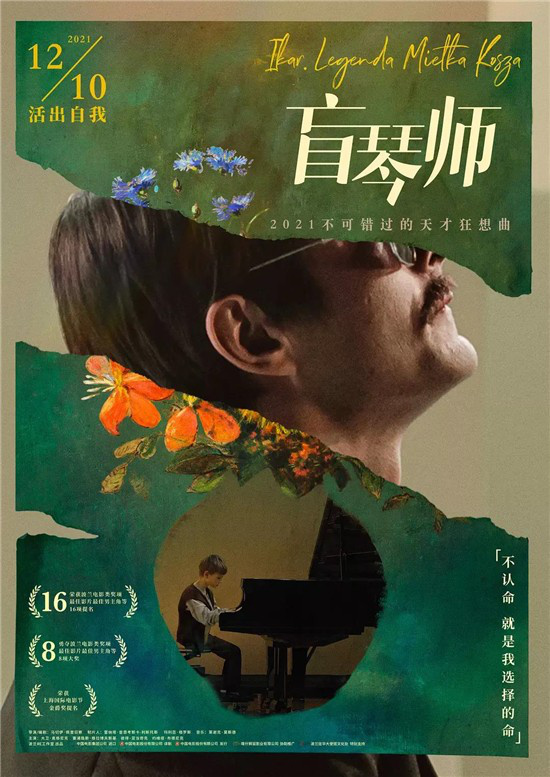
Light and shadow vividly depict the madness of genius and the fragility of the blind, and also firmly stand on the keys in Miete’s short life of only 29 years. There are many films depicting talented musicians, such as, etc. Different from these films, The Legend of Mietek Kosz’s protagonist is even more special, and he is blind with visual disability.
Some viewers commented after watching, the film is not friendly to the audience in narrative logic, and The Legend of Mietek Kosz’s timeline needs to be sorted out by the audience themselves. It does not tell the life story of the protagonist in a straightforward way, but inserts fragments of childhood and youth in the process, showing the sense of fragmentation and fragility of the blind’s life and restoring the world experienced by the blind.
The film shows the impressive fragments in the protagonist’s memory, and also imitates the characteristics of people’s memories in reality: the most impressive fragments will first break into their minds, instead of recalling the past according to the timeline of life.
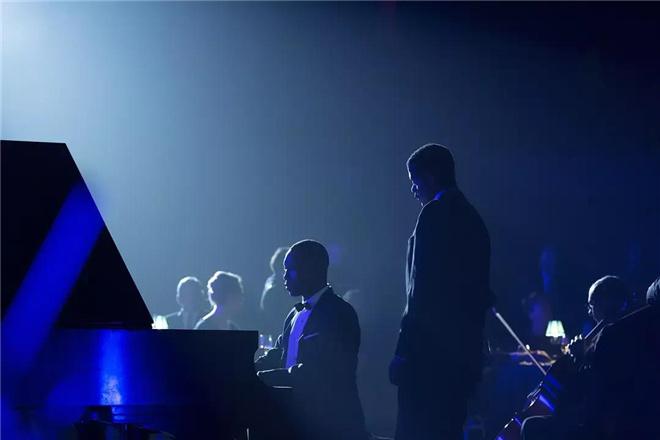
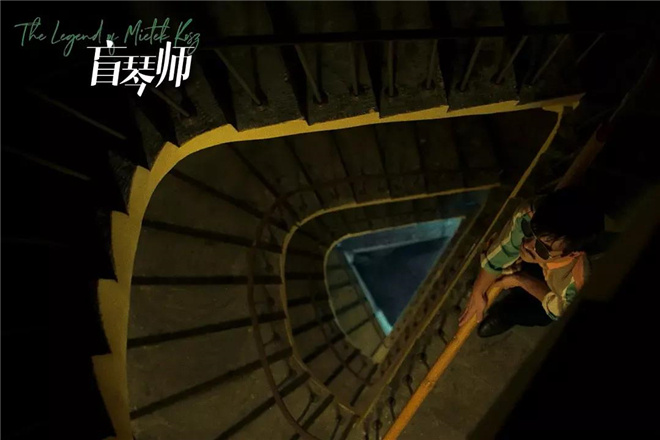
In addition to restoring the characteristics of the blind man’s world and memories, the film also focuses on shaping his pain and loneliness. Miyet in The Legend of Mietek Kosz once wrote a new song in the middle of the night, trying to share his joy with others, but his relatives around him didn’t respond to him. Finally, he had to go downstairs and find an unrelated street tramp to share it with. When he touched the handrail and went downstairs carefully, the stairs in the overhead shot seemed endless, just like Miete’s pain. His pain came from his suffering, which can be said to be the immortal soul of art.
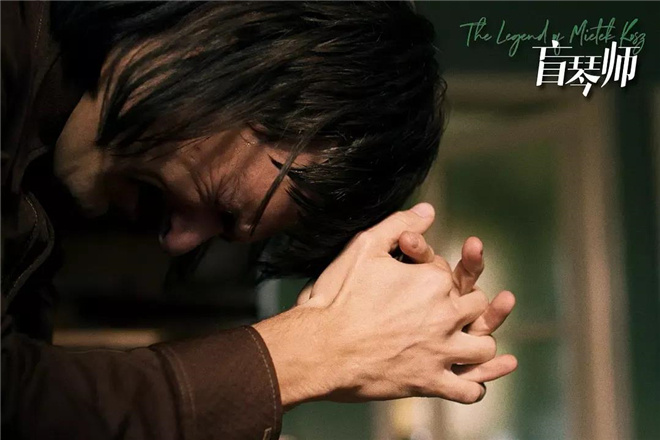
Miete’s pain stems from the trauma caused by family of origin. family of origin, as a hot topic of discussion recently, is also a very interesting issue in the film. Ding Tian, editor-in-chief of China edition of Woruitai Vision magazine, said: "family of origin should be viewed half by half. Just like the lines in the movie, if you want to be a legendary outstanding pianist, it is actually half by half, half by skill and the other half by heart.
Family of origin: I think the biggest influence on people is love. Miete’s parents didn’t give him an example of love, so he actually didn’t know how to love, and love was ultimately believed, so it was difficult for him to believe it, and he would be very vacillating in it, which also led to his life being not so smooth. On the other hand, because of the lack of love, he vented all his emotions in his works, so this is a two-sided thing. "Art is precisely what Miete suffered from this missing love.
Family of origin not only influenced Miete’s character and creation, but also his love. There are two very important women in his life, one is his singing muse Su Sha. Many people may use their eyes to judge whether the other person looks to their liking in their daily mate selection, but for Miete, he is invisible, so the segment where they meet in the movie has become one of the rare highlights.
Miete disdained stuttering Su Sha at first, and as a result, he fell for her as soon as she became vocal. The lyrics of "Moon River" in the film actually metaphor life: "The river is more than a mile wide, and my heart will go with you, and I will float away." We certainly hope to find our own ferryman in love, but many times, it is ourselves who can finally cross you. Later, Miete met a bartender, and this relationship showed his yearning for motherhood from the side. Miete was very naive and romantic, and he needed a maternal partner to give him peace.
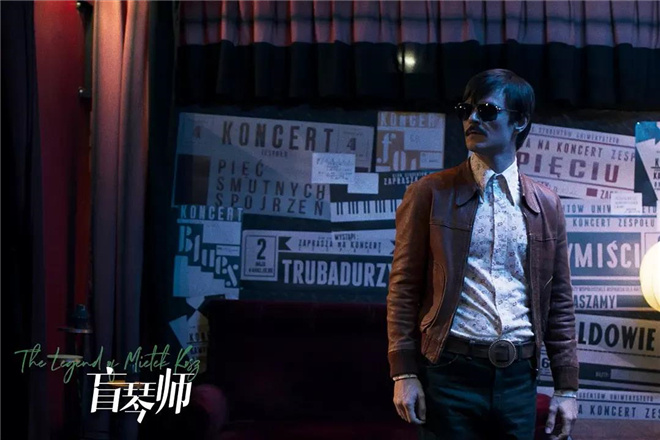
Ding Tian said: "What impressed me most was the window. Whenever the window was opened, music would play. Fate may be fair, because when it closes a door for you, another window will open. At the end of the shot, a beam of light hits Miete’s face after the window opens. His different pupil eyes are very charming, full of poetry and hope in such uncertainty and shaking. This kind of lens is also used in many movies. For example, as soon as Matilda opens the door, a beam of light shines on her face, and she later begins a relationship with the killer. But in The Legend of Mietek Kosz, I don’t think it is an end, but a hope and inspiration. "
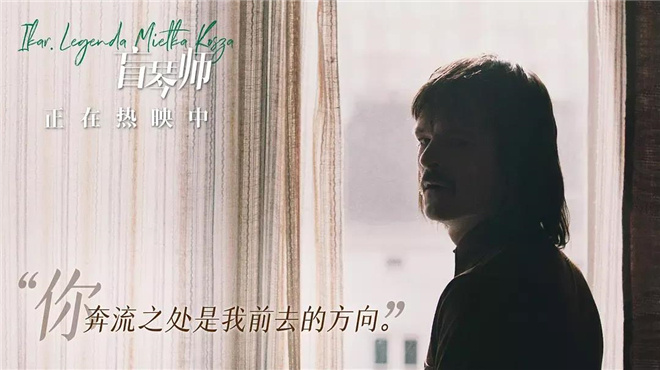
In modern society, people are surrounded by mixed data and various marketing, and what they see and hear is not necessarily the truth; Praise and slander don’t really exist. To a certain extent, we have blind spots like Miete, a blind pianist. How to find your own way, find yourself, enjoy yourself and fight for it is a homework for many people and a way to find the value of life.
Today’s film reviewDirector’s observation:In the atmosphere of the end of the year and the beginning of the year, The Legend of Mietek Kosz’s art film may not be flattering. Adapted from a true story, it tells the legendary and bitter life of Miete, a blind jazz pianist. The following words may have nothing to do with the program, but they are a small egg I want to recommend to you. The film doesn’t explain why Miete ended his life at the age of 29, but at the end of the film, Miete played a song "Icarus" for the audience. The title of the song comes from the tragic figures in Greek mythology of the same name. Icarus, a human being, chased the sun in flight, but his flying wax wings were melted by the sun, and finally he had to fall into the sea of Wang Yang. Perhaps, Miete also foresaw his own ending early. (Liu Mengxin, director of Today’s Film Review.)