The imagination of beauty cosmetics is beyond the category of beauty cosmetics.
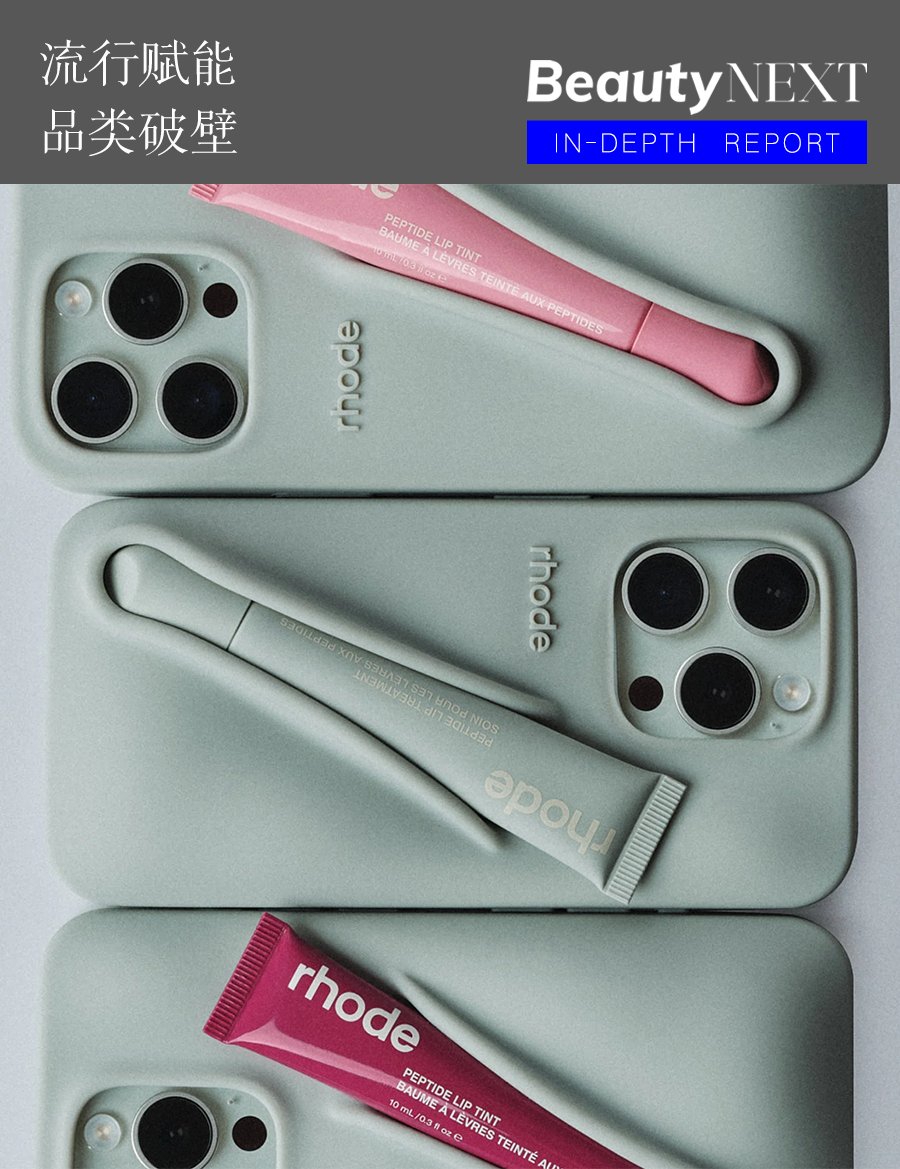
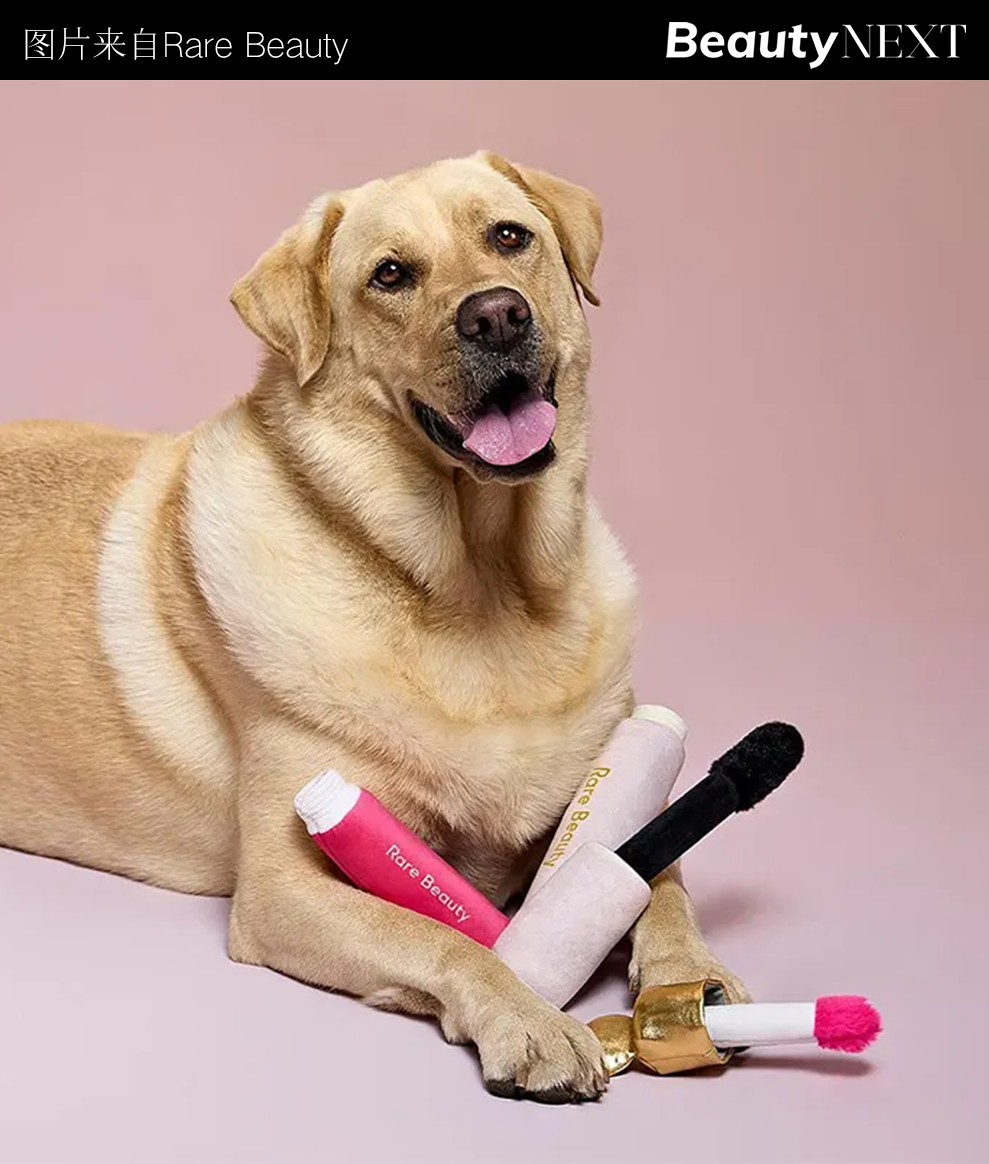
Recently, the entire overseas beauty circle is talking about the Rhode brand lip balm mobile phone case; Just two weeks ago, the makeup brand Rare Beauty launched a dog toy.
-This is just the category expansion of two overseas "It" brands this spring.
No matter whether the outside world thinks that this is just a short-lived marketing or the influence of online celebrity stars, more and more beauty brands are beginning to break the circle by category, realizing the sound volume and sales volume.
It seems that beauty is no longer a "proposition composition" that only specifies elements such as "make-up, skin care and fragrance", but a "stage" that can be arbitrarily decorated by fashion, trends, cultural symbols and consumer preferences. On the stage, the core actors can still be beauty categories, but the subtle brand atmosphere and the brand content supplement are all completed by category expansion and wall breaking.
It seems that the imagination of beauty is outside the category of beauty.
01
Be a beauty brand
Start jumping out of the beauty box.
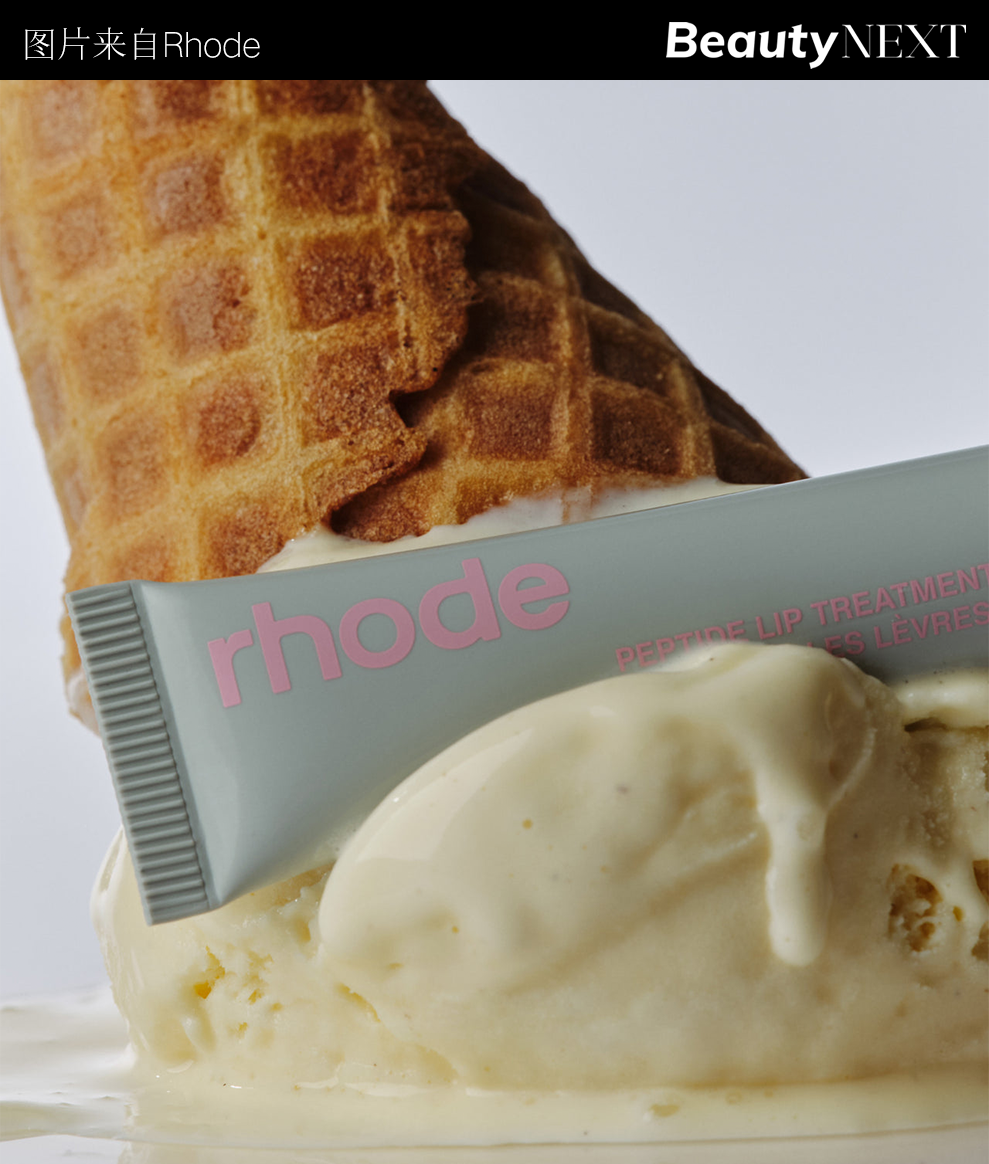
In June 2022, model and online celebrity Haley Bieber founded the skin care brand Rhode, focusing on science, minimalism and truth. Only one year after the brand was founded, the polypeptide lip balm sold more than one million pieces, contributing 16 million US dollars (about 116 million yuan) in sales.
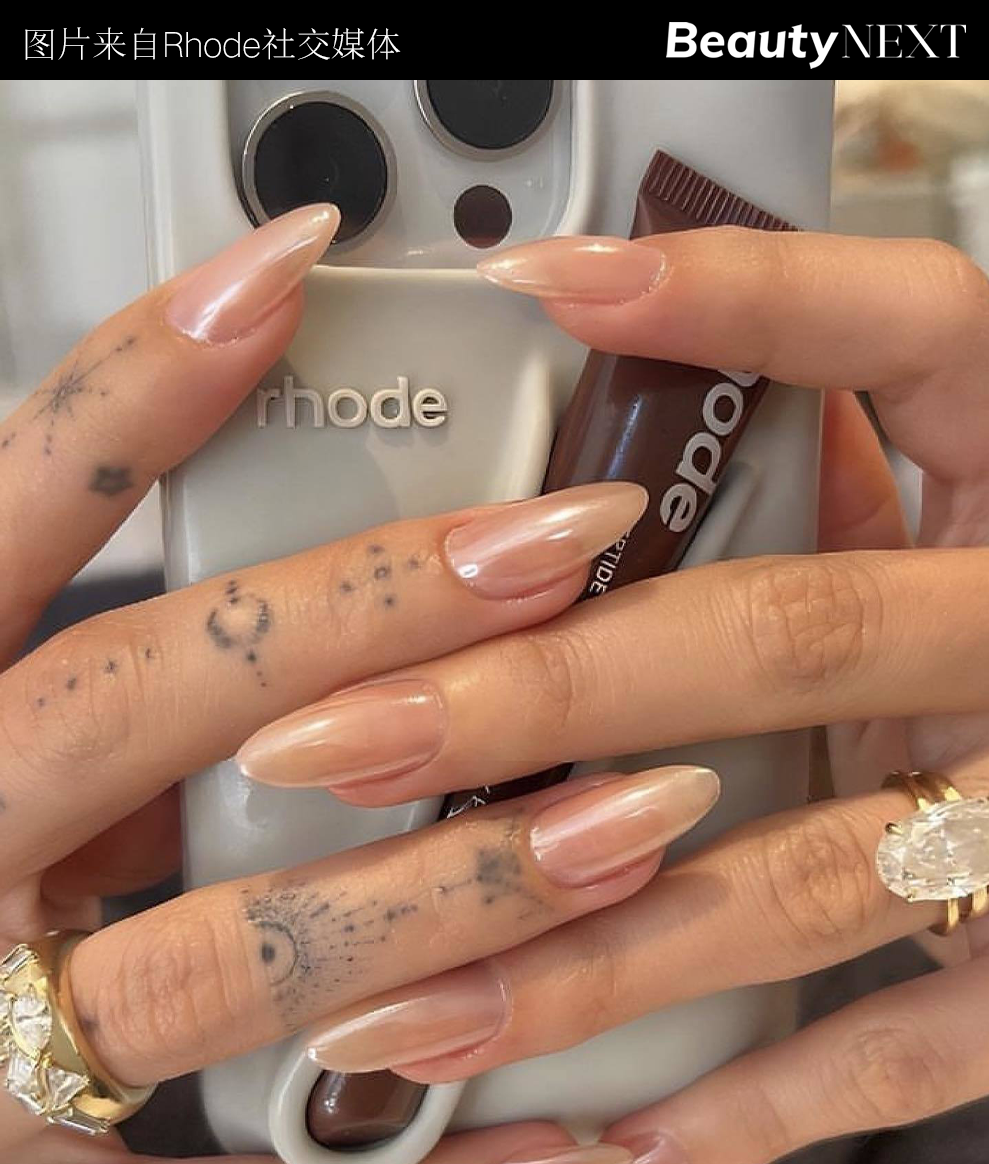
Just in February of this year, Rhode innovatively introduced a mobile phone case that can accommodate a lip balm on the back cover. "Lipstick shell" costs $35, and lip gloss needs to be purchased separately. It is suitable for iPhone 14 and iPhone 15 and their respective Pro versions. This mobile phone case immediately became a "phenomenal" explosive product that swept the Internet, and the first batch was exhausted in 25 minutes.
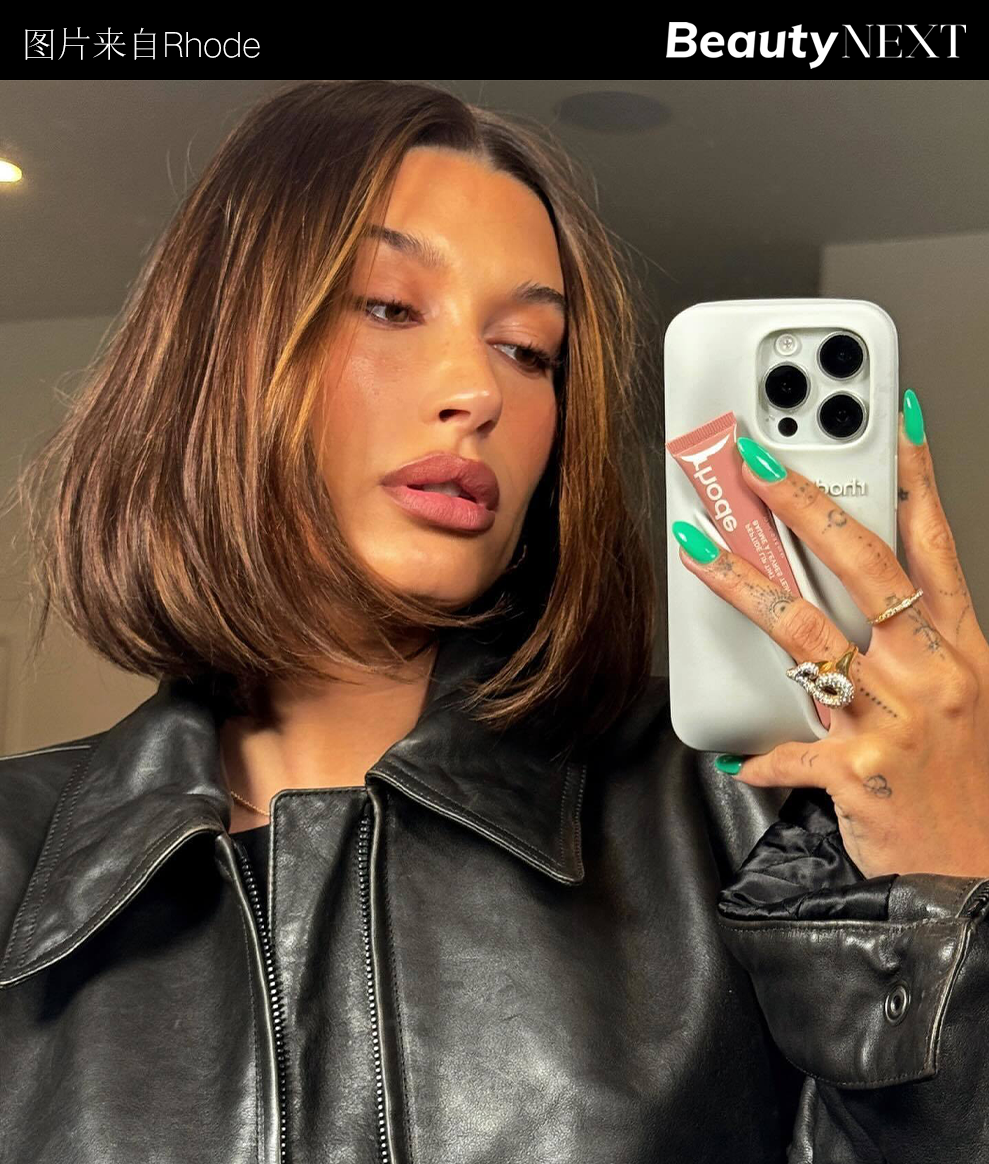
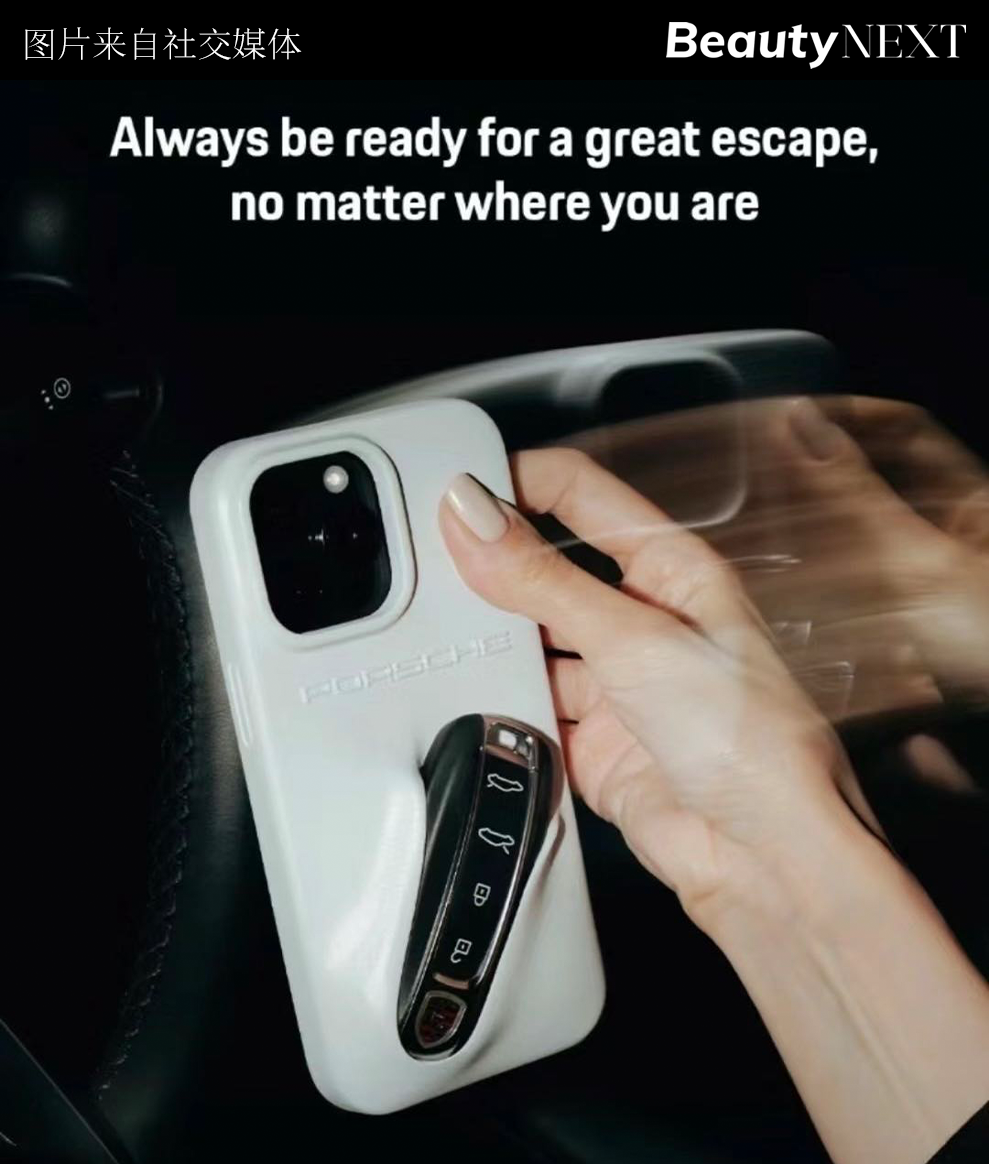
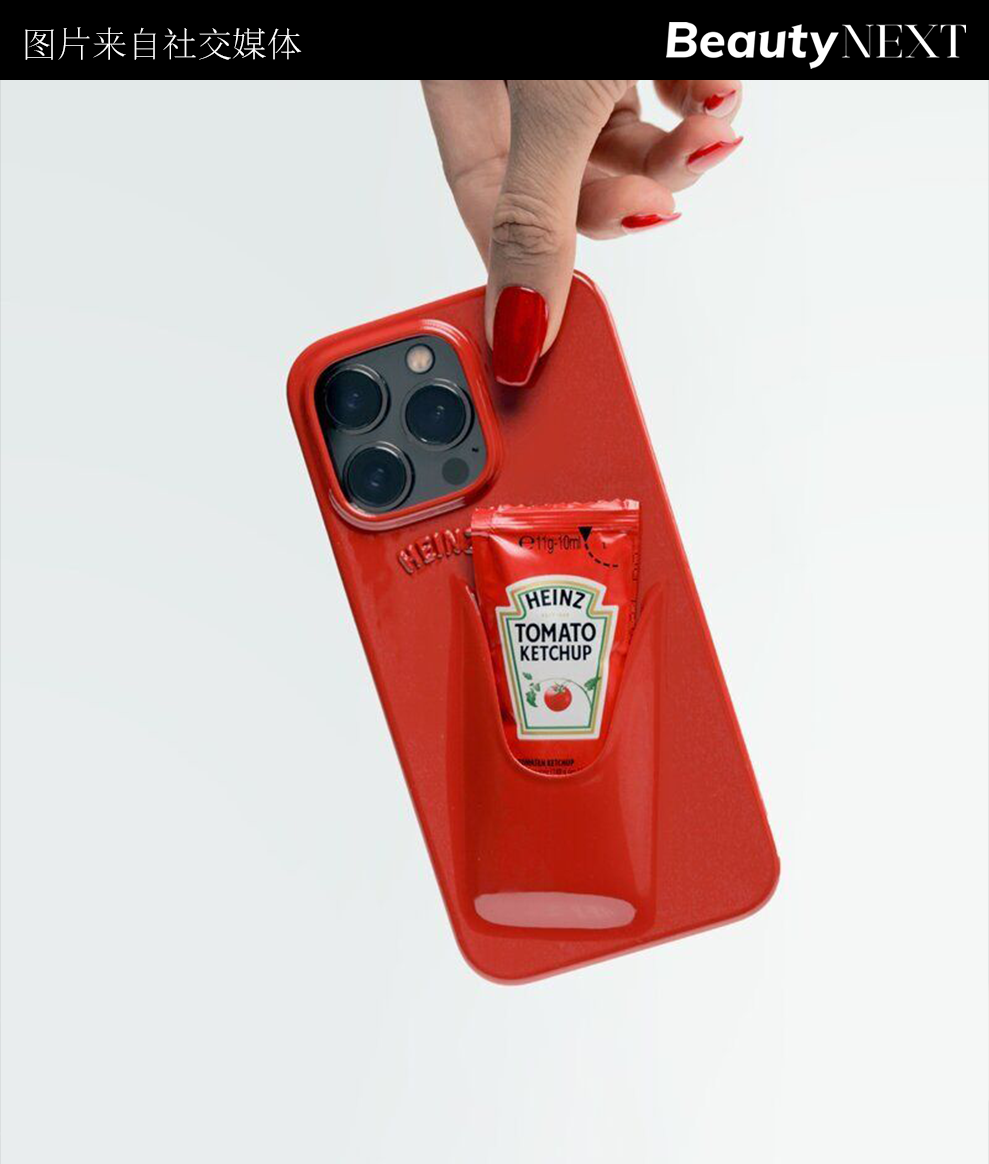
The popularity continues to spread, and not only is the "mobile phone shell card everything" popular on the Internet, but the explosion has also attracted brands such as luxury car Porsche and food giant Heinz to launch car key shells and ketchup shells.
The dog toy with makeup Rare Beauty is another story about sustainable development.
The launch of this dog toy coincides with the International Pet Day on April 11th, and the second is to celebrate that the brand has just obtained the certification of the international leading cruel organization "Leaping Bunny". Toys are based on the brand’s explosive items, liquid blush and mascara, and can be disassembled to play interactive games with their owners. Each toy retails for $18 and is only available on the brand’s website.
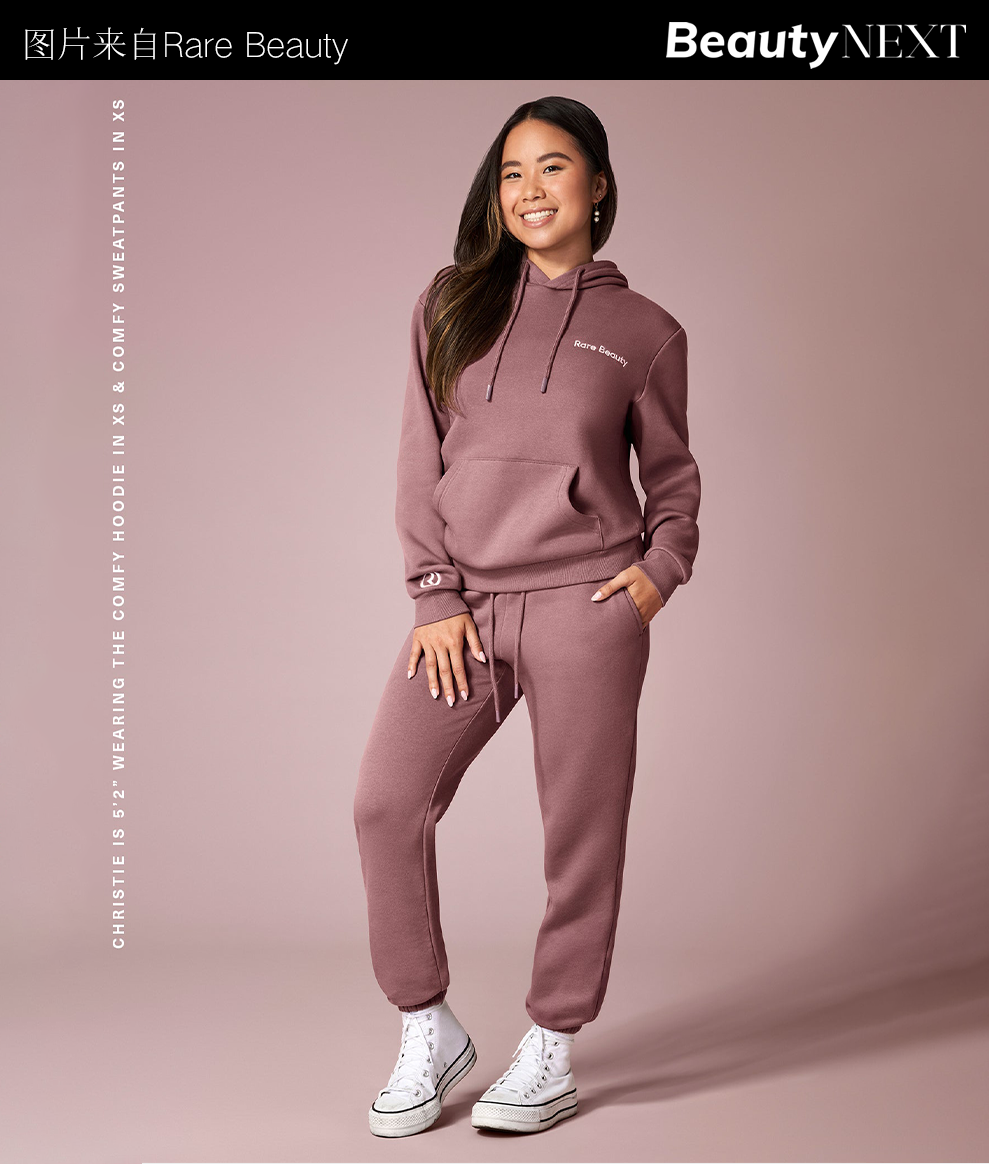
This is not the first batch of new products of Rare Beauty that are not cosmetics. In September 2023, on the third anniversary of the brand, Rare Beauty launched a limited edition comfortable hoodie and sweatpants. This is the brand’s first formal clothing category. Later, Rare Beauty developed and sold a series of bags, including backpacks, fluffy totes, cosmetic bags and toiletries related to the brand culture, as well as versatile clothing items such as short sleeves and baseball caps.
More than that, more beauty brands began to step out of the beauty category.
One of the best brands is Glossier, one of the hottest makeup brands in America. As early as 2019, the brand launched the "GlossiWear" series. In the presence of many celebrities and online celebrity, a pink hoodie became a phenomenal explosion at that time. Once it was launched, it was immediately sold out, and more than 10,000 people lined up on the waiting list for goods that month.
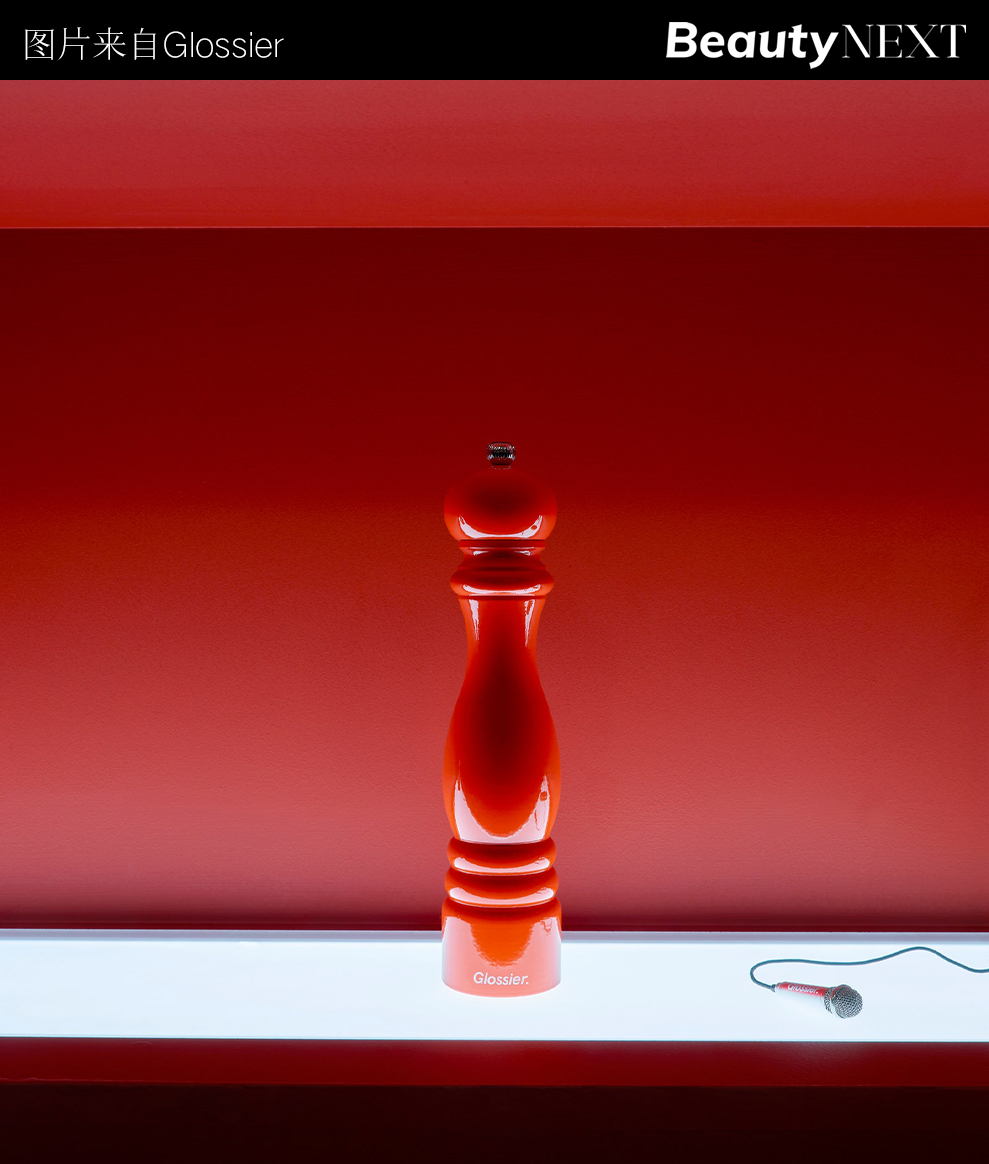
In addition to permanent products such as hoodies and beauty bags, it also includes limited edition slippers, socks, handbags, key chains and so on. At the end of 2023, Glossier even introduced a pepper grinder (brand You Eau de Parfum perfume contains pepper) and a mini microphone.
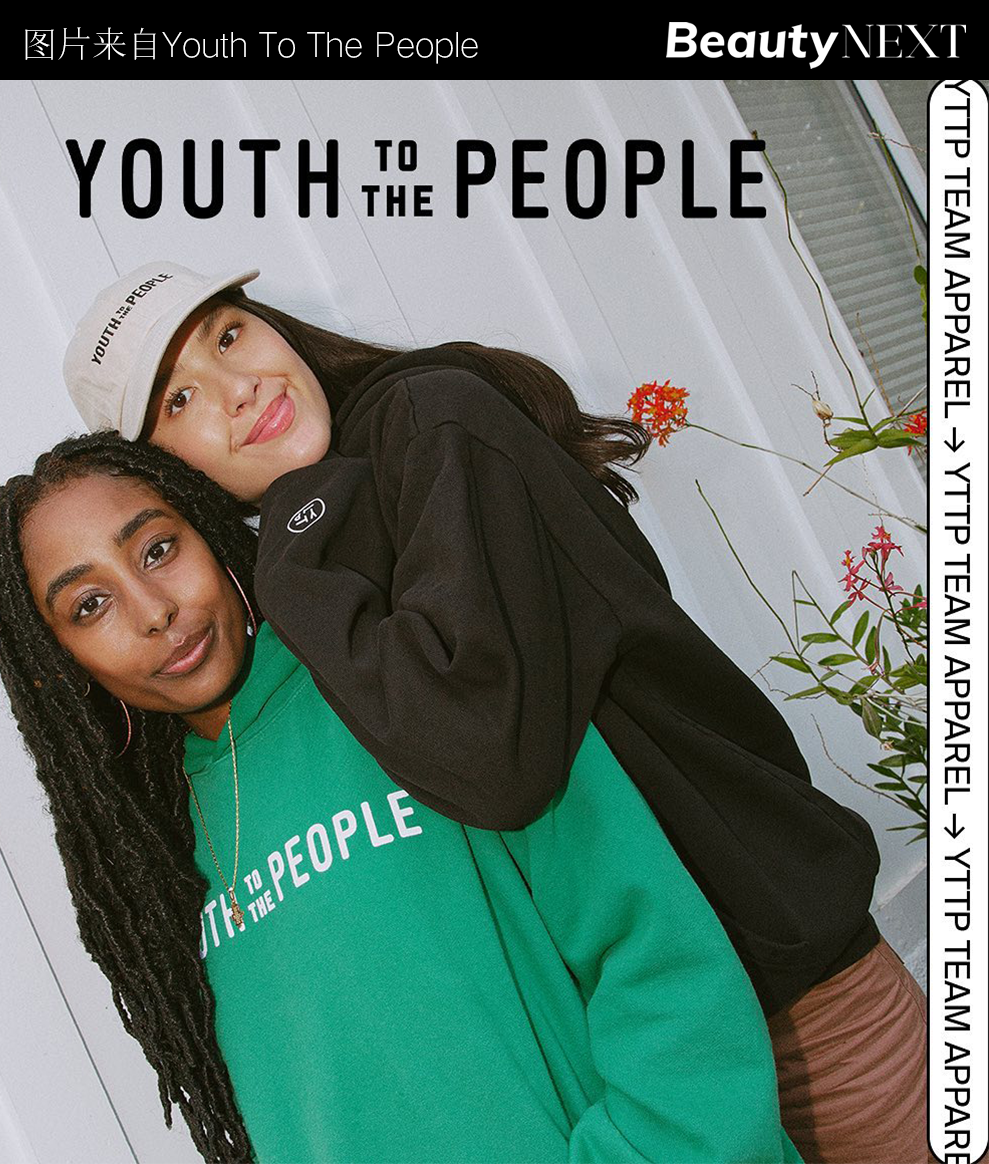
Youth To The People ("YTTP"), an American sustainable vegan skin care and lifestyle brand acquired by L ‘Oré al at the end of 2021, directly opened up clothing categories in categories, juxtaposed with skin care and body care, and currently sells baseball caps, sweaters and T-shirts in official website.
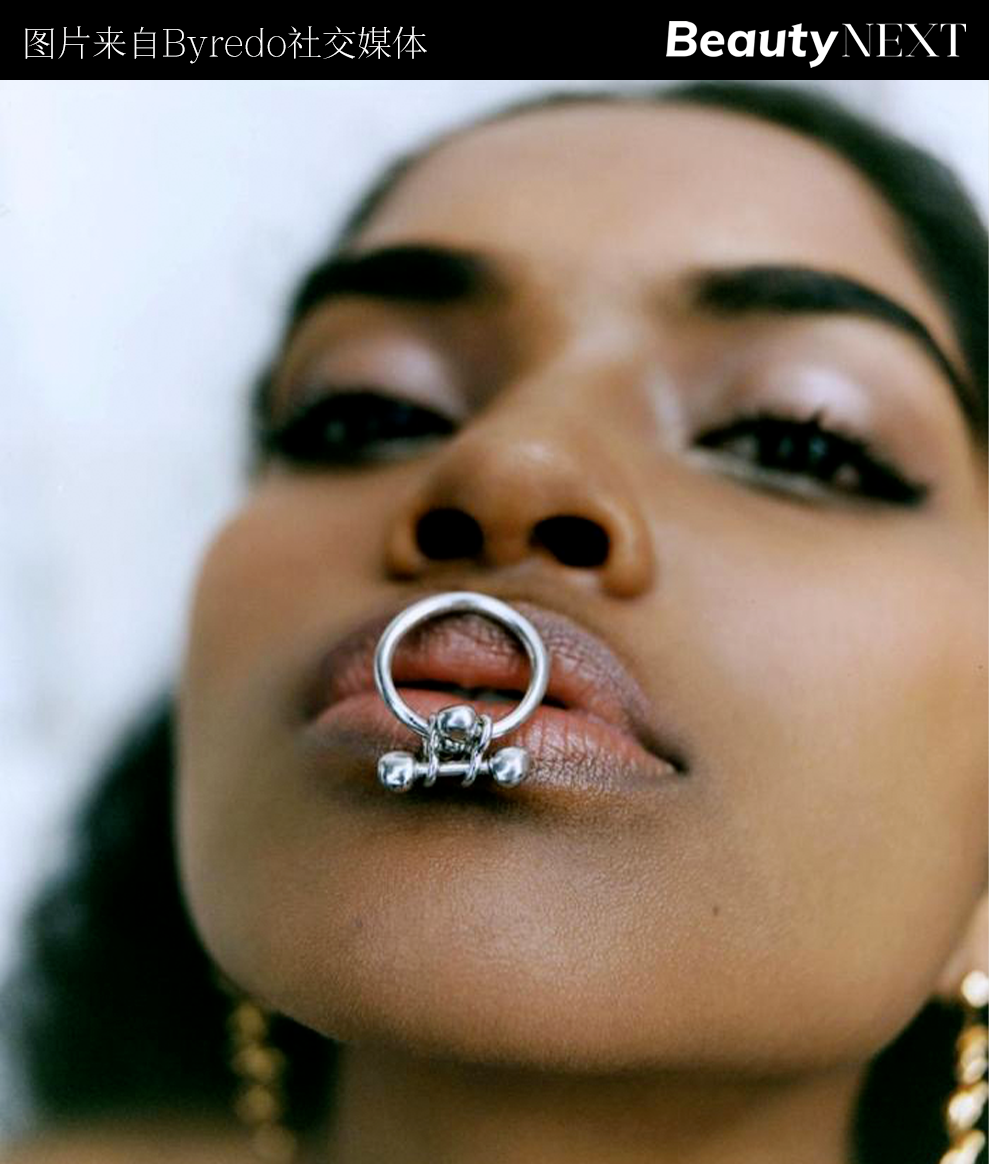
In the report "Byredo Pushes High-grade Jewelry, A New Narrative of" Crowd Brand ",it is also mentioned that Byredo, which is known to China consumers for its fragrance, is more than just a fragrance brand. From leather goods and sunglasses to clothing and home, and then to the launch of high-end jewelry series by the end of 2023, Byredo constantly explores beyond categories and breaks the established cognition of beauty brands.
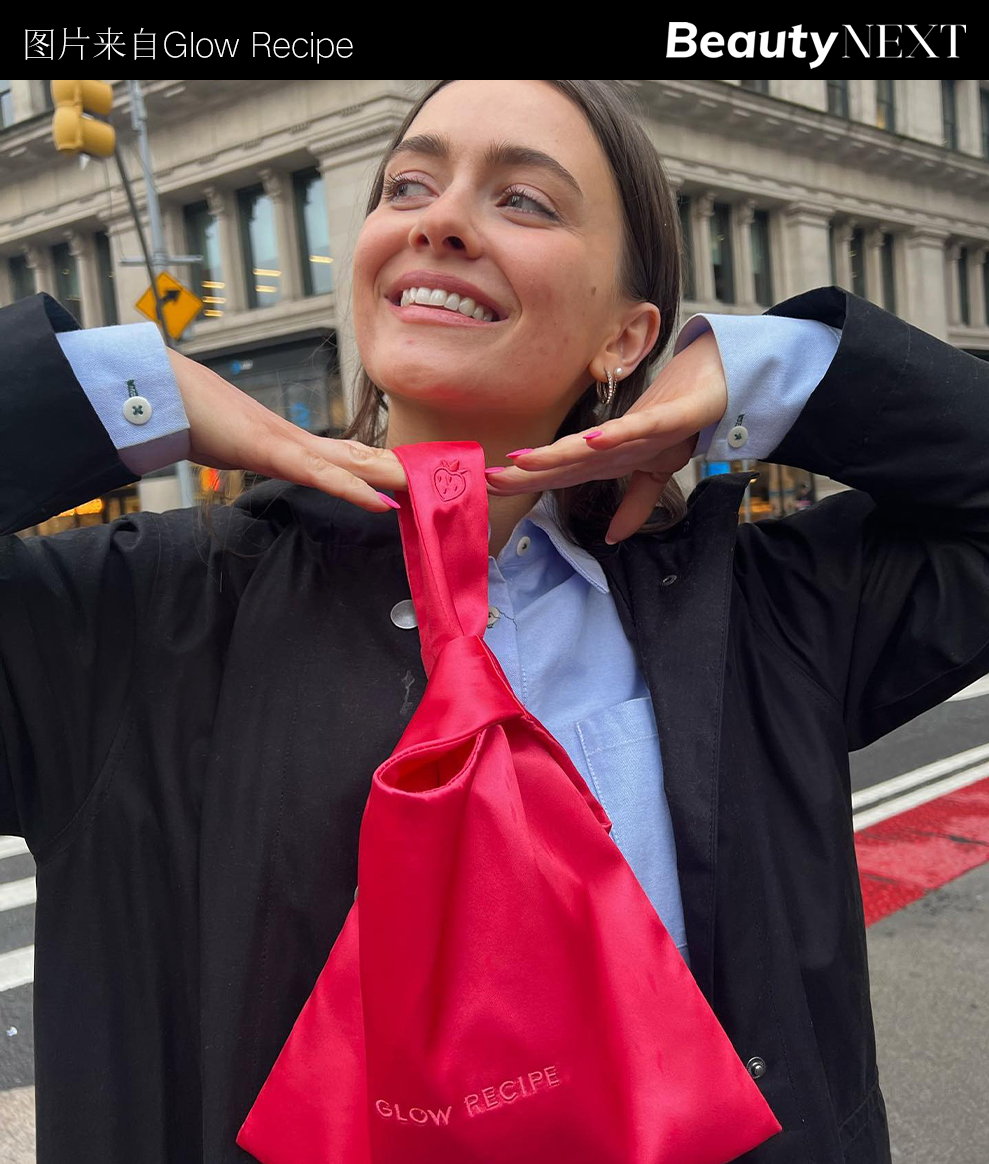
There are many others. Glow Recipe, the most popular K-beauty skin care brand in North America, launched a hair band suit, which also sells sweaters, headscarves, hats, cosmetic bags and skin care diaries. Like Glossier, Glow Recipe also launched a hoodie in the game of Animal Friends. Supergoop, the best-selling niche sunscreen brand of Sephora in North America! Launch a t-shirt; Flesh Beauty, a makeup brand of Revlon Group, launched a necklace; Bei Lingfei, an old-fashioned make-up, has introduced vests, handbags and other products.
Obviously, in the category of beauty brands, the sales of new products are not the focus of the brand, but the resulting attention and social sensation.
After all, cosmetics or skin care products rubbed on the face are usually difficult to identify the brand, but in the millennial generation or the Z generation, exquisite small items such as clothes, hair accessories and mobile phone cases with brand logos shared by selfies can help brands to show their faces to the greatest extent.
02
The new category era of beauty cosmetics
Brand first, then category.
In the past, when we talked about the expansion of beauty categories, we still couldn’t jump out of the circle of "beauty", whether it was the make-up brand that produced skin care or the skin care brand that produced fragrance-categories still revolved around beauty.
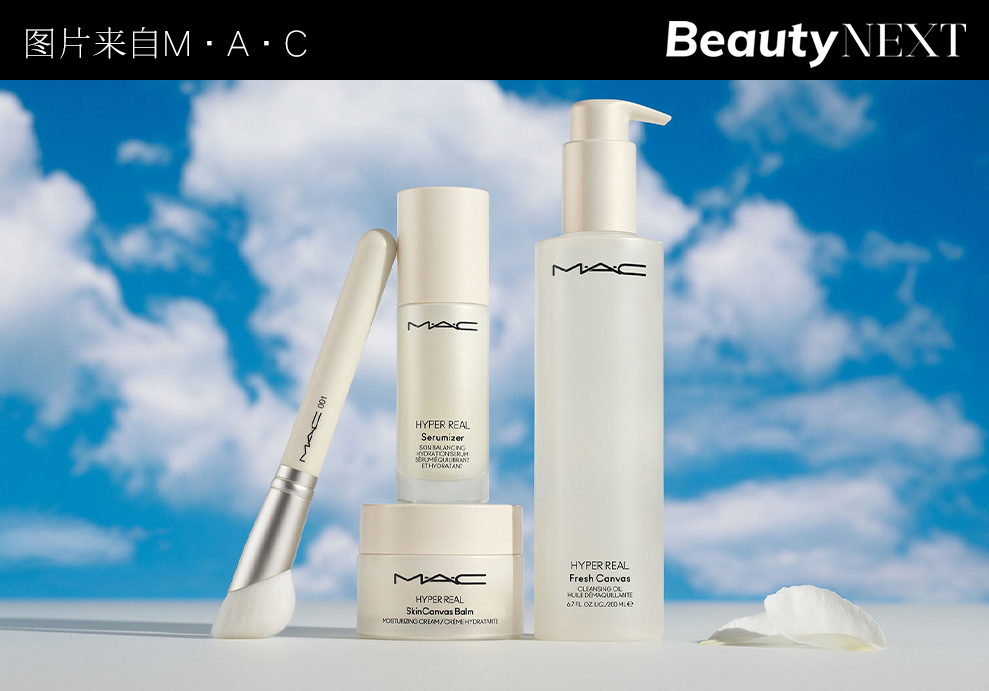
This logic is easy to understand. Make-up, skin care and fragrance are traditional beauty categories. The mutual category expansion will not dilute the brand value, and on the basis of the original brand customer base, it can achieve the reach of new consumers with lower cost and faster trial and error. Therefore, it can be seen that whether M·A·C launched the skincare line or Charlotte Tilbury launched the first perfume series, the new category was added without affecting the tonality of the original brand.
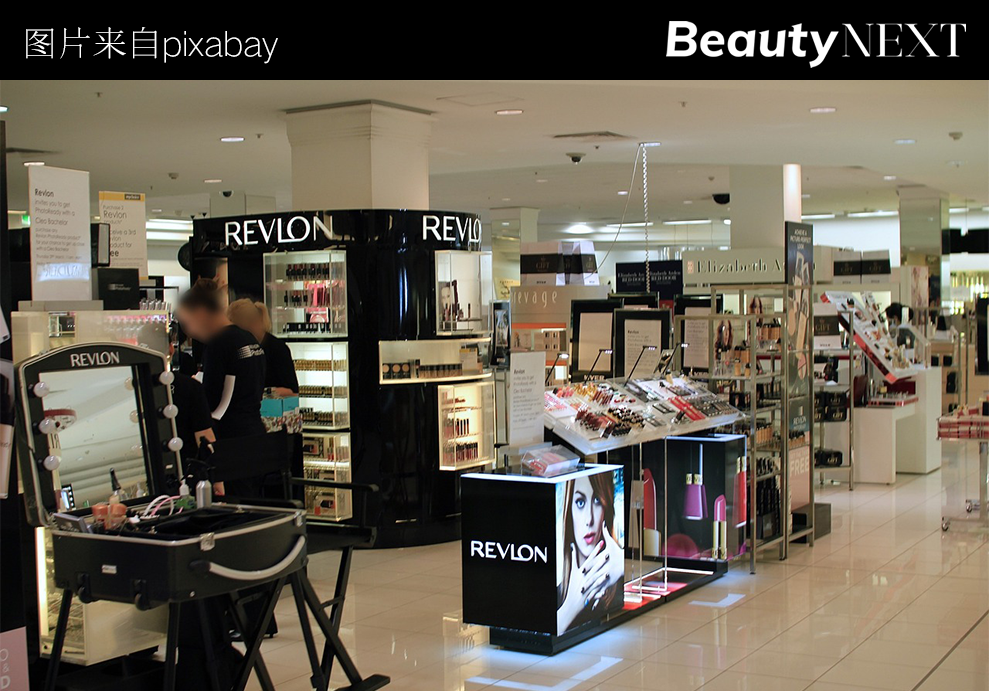
In the past many years, the shelf thinking of supermarkets or department stores has greatly restricted the brand’s imagination of categories.
In an era when supermarkets, department stores, collective stores and franchise stores are the mainstream of shopping, the logic of shopping is "people look for goods", that is, when they arrive at the store, they can find their favorite goods through slow comparison in the process of shopping. Often, consumers have to go to different floors and different partitions of the store to get what they want. Therefore, there are artificial categories such as fresh food, home, electronics and beauty.
It can be said that the traditional way of selling shelves stipulates the attributes of categories and invisibly locks the boundaries of categories. It allows the founders of traditional beauty brands to first establish the general impression and framework of categories in their minds, and then further build brands around products.
However, at a time when the media environment and consumption habits are different from those in the shelf age, the thinking of brand building must be "brand first, then category".
Nowadays, the shopping channels are extremely prosperous, and the categories of goods are extremely rich. The logic of shopping is "looking for goods" or "people and goods go in both directions". Therefore, how to "find people (let the brand be seen by the target consumers to the maximum extent, and promote the desire to buy), touch people and introduce people to the door" is the key.
When a consumer’s home to buy cosmetics is no longer an offline channel, one thing in his mind is that he will no longer have the impression of offline shelves, and the other is that he will not classify brands in strict accordance with shelf thinking-which also means that these cutting-edge brands born in the era of mobile internet can take brand building as the first priority and are not bound by traditional beauty thinking.
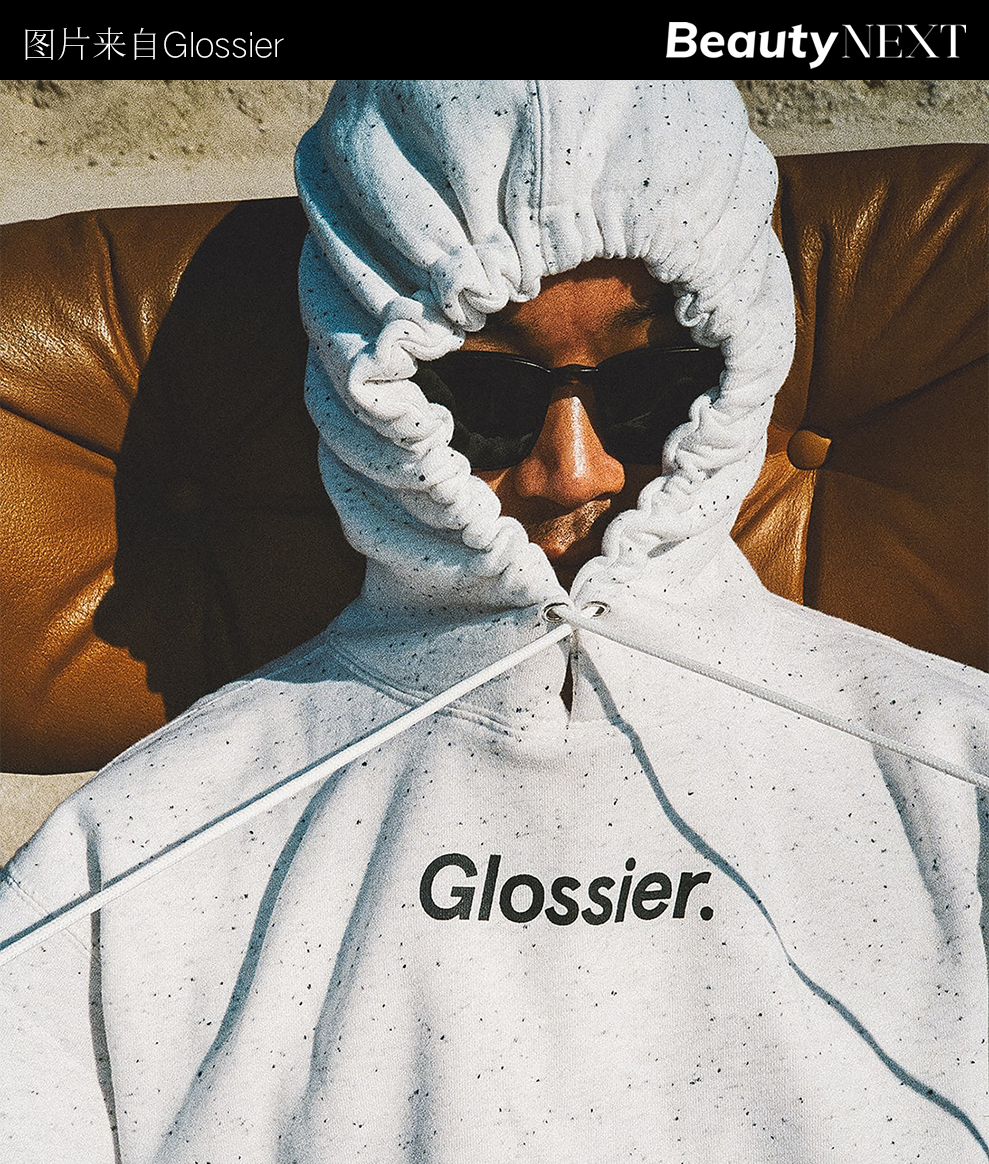
As Marie Suter, deputy creative director of Glossier, once said: "For us, branding is no longer just about labeling something-this is the way of thinking of traditional commodity categories. For those brands that want to bridge the gap between beauty and lifestyle, the product category is gaining new meaning. "
The Rhode brand team also said in an interview that the success of the brand is attributed to "the unconventional beauty background of the founders and the team, which means that they may be more subversive and shape the brand in new ways, including products and marketing." This means that Rhode’s decision does not follow the development path of traditional beauty brands, but is based on market data and consumer insight. The brand has no preconceived concept about "what kind of products should be released".
From the two rows of figurative products listed on the shelves before, they only meet the functional value or experience value; Up to now, through richer online and offline display, exposure and content touch, a "narrative picture" about brand past lives has been constructed in consumers’ minds-beauty may enter a new category era.
03
"Pond" Ecology of Self-built Brand
When the category is given priority, a brand must focus on sales, thinking about how to explode the product; When the brand is given priority, the focus of a brand will not leave sales, but it must be driven by brand building and sales.
If we use natural analogy, the former is more like asking for water from the sky, and the abundance of rain (flow) depends on the sky (platform) for charity; The latter is a self-built small pond ecology. Although it is small, the water source (self-built channel) is stable, the ecology (community) is lively, the residents (fans) are stable and the business is sustainable.
A good brand "pond" ecology needs the following factors:
■ The first is the strong control of sales and publicity channels.
The broken-wall brands mentioned above are almost all DTC beauty brands born online. Compared with traditional brands with thousands of online channels, they can easily deliver all kinds of goods with social media as the tipping point and DTC official website as the sales channel.
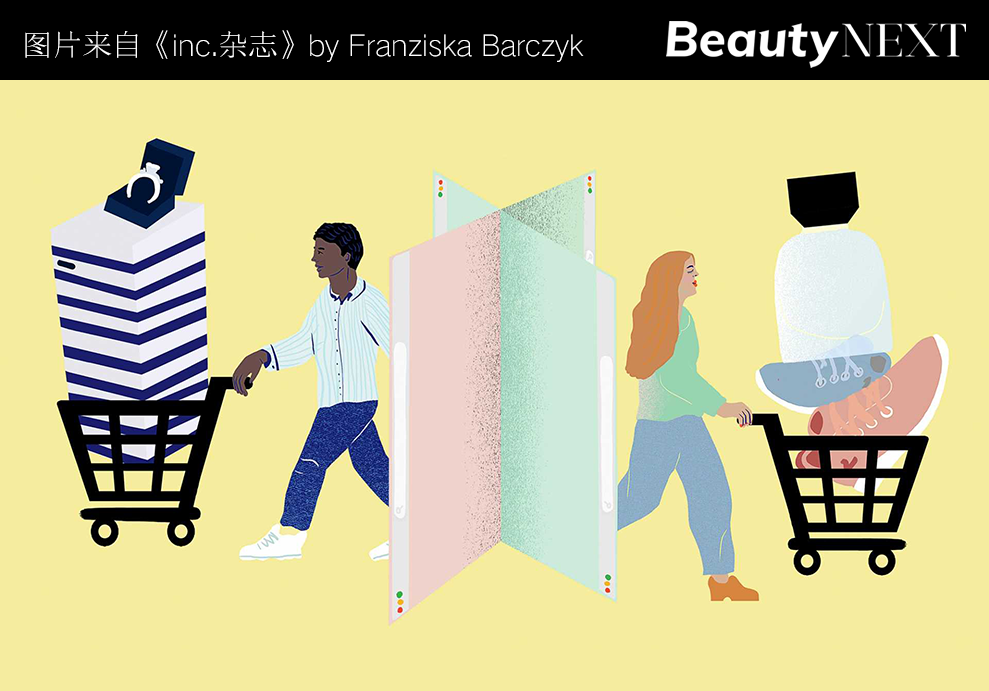
"We set our own rhythm. When a large part of your business is carried out through direct channels, and you have spent many years establishing contact with many people, and you have your own’ community’ of the brand, you can launch any product at the time you want and in the way you want. " Ben Gorham, founder of Byredo brand, once said this.
■ The second is the control of consumer demand.
Selling goods is a process, not an end. The purpose of the brand is always to solve the pain points of consumers.
Take the explosion of Rhode’s "lipstick shell" as an example. In many countries in Europe and America, lip balm has become a just-needed product out of love for perfect lip augmentation. Many consumers believe that the design of "Rhode lipstick shell" makes lipstick lovers who rummage through their bags to find it stop being annoyed.
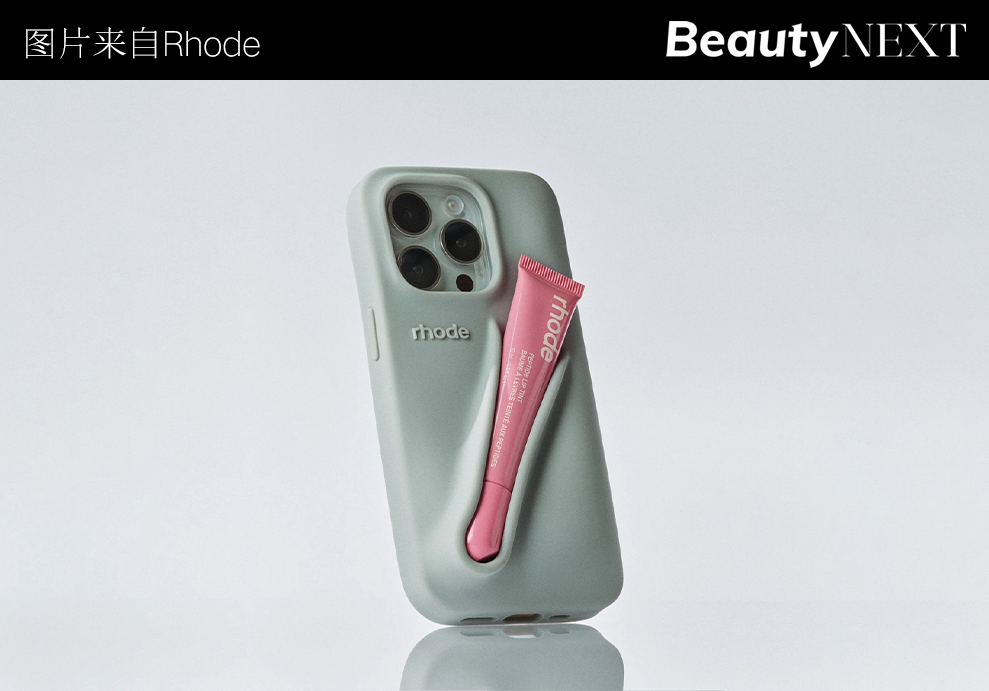
At the same time, with the popularity of the mobile Internet, the explosion of interesting mobile phone case brands such as Casetify and Flaunt is enough to show that the value of mobile phone cases has advanced from practicality and functionality to become an indispensable decorative accessory in the Internet society. The combination of the two accurately cuts the pain points of young people who are keen on the Internet (just the potential customers of Rhode).
The pain point is borderless-even on social media such as Little Red Book and Weibo, the design of "lipstick shell" has almost won overwhelming praise from beauty lovers before Rhode officially entered China.
■ Followed by the construction of community ecology.
Overseas, brands like to talk about the word "community". In China, this word is often translated into "private domain", which has a strong meaning of sales orientation. However, overseas, the word "community" more reflects the brand’s treasure of consumers’ will, and the sense of home that consumers find in the brand.
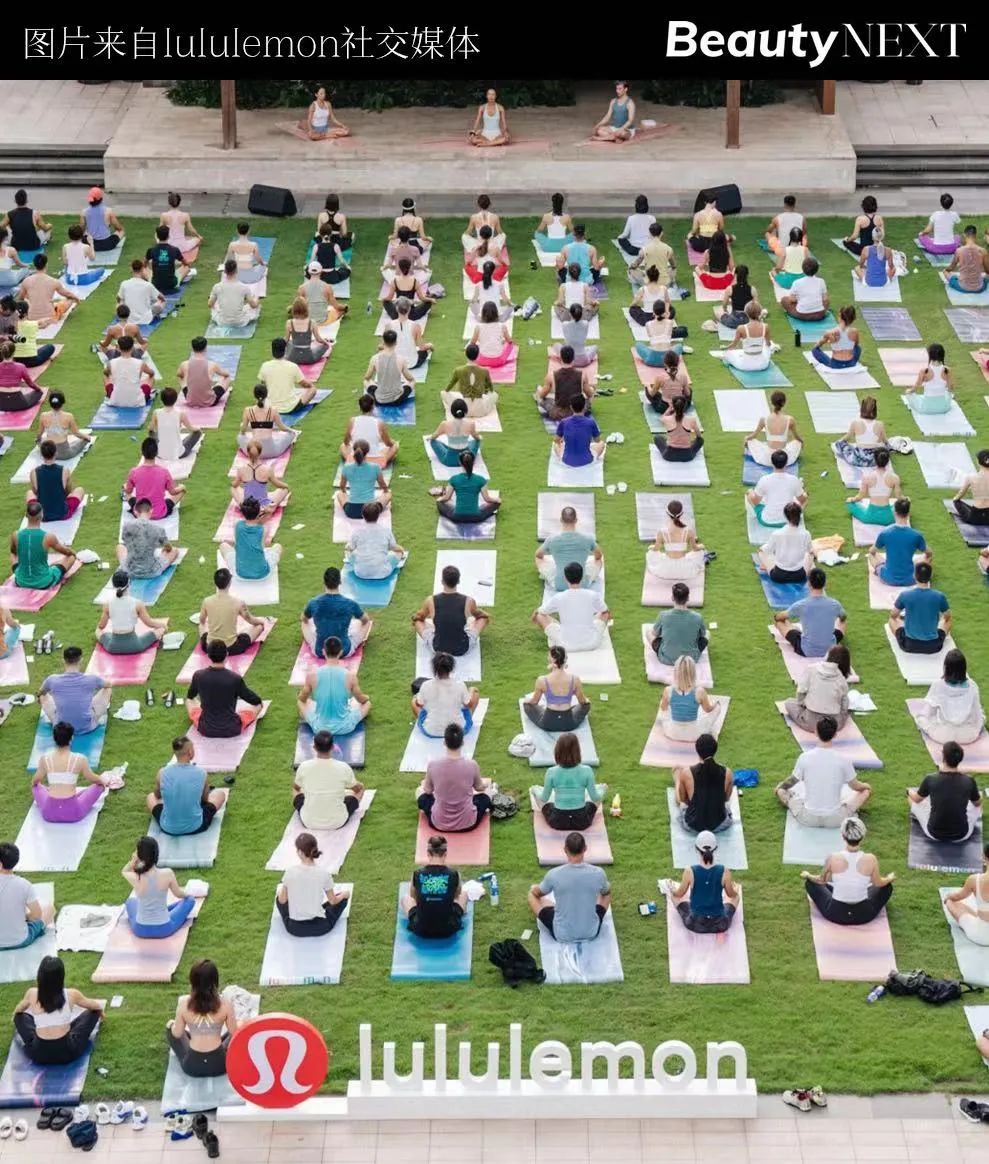
Lululemon’s operation of the community has been learned by many brands.
Christine Chang, co-founder and CEO of Glow Recipe, once said that the loyal customers of Glow Recipe favored the brand because of the strong "community awareness" of the brand. Loyal fans of the brand firmly believe that they are members of the "Glow" ("Glow" means to glow). They use products, believe in brand value and firmly believe that the brand will get better and better with themselves. Therefore, "wearing sweaters and hats launched by the brand will help to further strengthen the loyalty between themselves and the brand".
■ Finally, the guidance of the brand mission.
For beauty brands, brand spirit is a more metaphysical requirement than brand positioning. It has jumped out of pure business and is influencing consumers, even this society and nature with heavier emotions.
Youth To The People’s launch of clothing is also considered by the brand founders to be a natural thing. "When we launched this brand, it was not just a specific product. As a company, we are thinking about what we can do to embrace all the changes and positive factors that are happening in the world and become a part of it? " In order to implement the brand’s sustainable concept, the brand’s sweatshirt is made of 15 plastic bottles and post-consumption organic cotton (leftover materials from cotton mills or other garment factories).
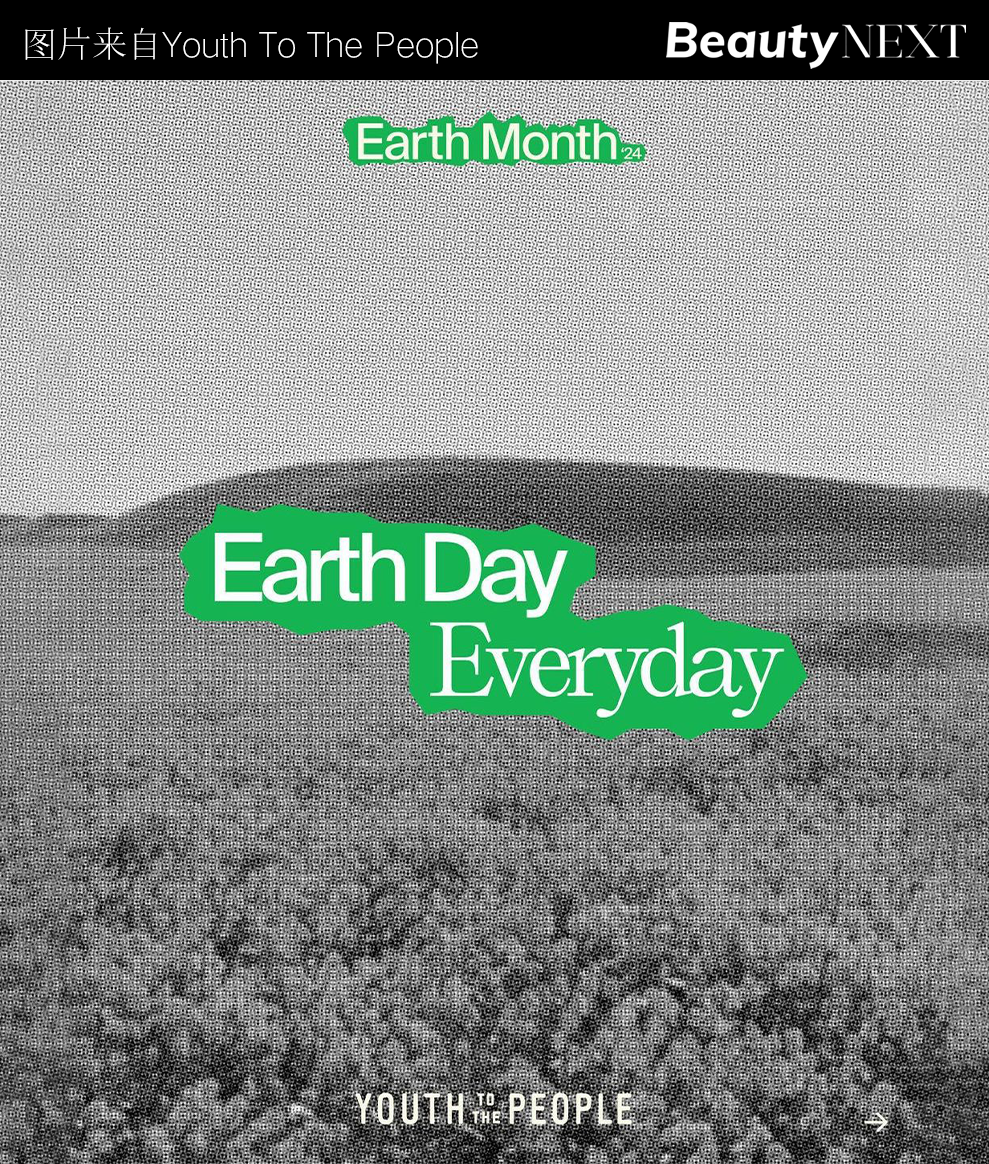
The brand that breaks the wall of the category hopes to find people who can condense in the brand spirit. "It is easy to find people who like a certain mascara, but are these consumers really connected with the company that makes the mascara? Do they agree with the brand values like their own products? " Marie Suter, deputy creative director of Glossier, said.
It can be seen that with consumers’ consumption demand, spiritual demand, life scene change and interest, cultural preference, etc. as the anchor point, whether it is to launch beauty, clothing, accessories or any products, the purpose is "the same goal", and the ultimate goal is to focus on consumer communication and brand value.
Perhaps in the future, more brands will no longer be beauty brands, but brands that spread beauty.